Your Systems Are Talking. They're Just Not Listening to Each Other.
Data trapped in disconnected systems is the single largest drain on enterprise productivity in South Africa. Rivob eliminates the silos — connecting your ERP, CRM, IoT platforms, cloud services, and legacy databases into a unified, real-time data environment that every team can trust and act on.
Book a Free Analytics Assessment →Download Service Brochure ↓
When Systems Don't Talk, Businesses Pay the Price
Most enterprises we work with aren't failing because they lack data — they're drowning in it. The problem is that raw data sitting in separate systems, processed by disconnected teams, and reported through dashboards nobody trusts doesn't create decisions. It creates noise.
Analytics isn't about having more data. It's about asking the right questions of the right data at the right time — and building an organizational capability to do that every day, not just in quarterly reviews.
That's exactly what Rivob's Analytics Services are built to deliver.
Data lives in 5 systems, trusted in none
Each system has its own version of the truth. Reconciliation takes days and still produces disagreements.
Manual exports and re-imports burning hours
Somebody exports from System A, manipulates in Excel, imports to System B. Every week. This is where errors are born.
IoT data that never reaches your analytics
Sensors are running. Data is generating. But it sits in a monitoring tool that doesn't connect to your BI or ERP.
Legacy systems blocking digital transformation
A 15-year-old ERP is holding the entire organisation back because nothing modern can connect to it cleanly.
Cloud migration creating more silos, not fewer
Some data is on-premise, some in the cloud, and no one has a clear picture of where anything actually is.
Ten Integration Patterns. One Accountable Partner.
Rivob covers every major integration pattern across your enterprise technology stack — from API-first cloud connectivity to legacy middleware modernisation and real-time IoT data pipelines.
API Integration
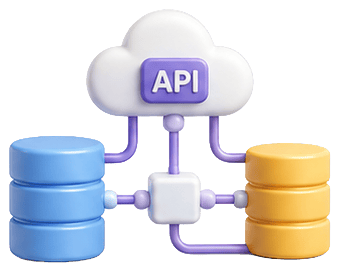
Connect modern applications in real time using RESTful, GraphQL, and SOAP APIs — with full API gateway management, versioning, and monitoring.
 Data Integration & ETL
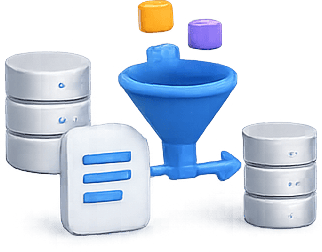
Extract, transform, and load data between databases, data warehouses, and analytics platforms — with validation, deduplication, and lineage tracking built in.
 Real-Time Synchronisation
Event-driven architectures and streaming pipelines that synchronise data across systems the moment it changes — no batch delays, no stale reporting.
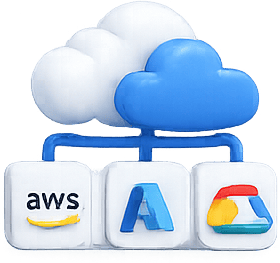
Cloud Integration
Hybrid and multi-cloud integration connecting on-premise systems to AWS, Azure, and GCP — with secure data flows, identity management, and cost governance.
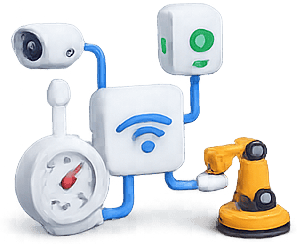 IoT Integration
Connect physical sensors, industrial devices, smart meters, and edge computing nodes to your analytics and operational platforms — turning telemetry into intelligence.
Mobile App Integration
Connect mobile applications to backend systems, enterprise databases, and third-party services — with offline sync, push notification pipelines, and API security.
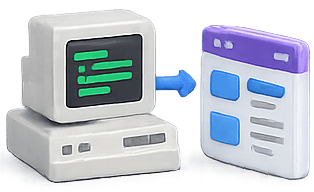
Legacy System Integration
Non-disruptive middleware and API wrapper architectures that connect your legacy ERP, AS/400, COBOL, and custom systems to modern applications — without replacing them.

B2B Integration
EDI, supplier portal, and partner API integrations that automate data exchange across your supply chain — reducing manual processes and procurement cycle times.
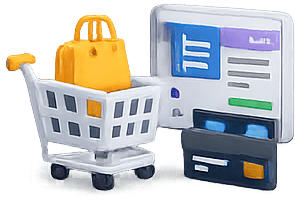
E-Commerce Integration
Connect online stores to inventory, ERP, payment gateways, and CRM systems — ensuring stock accuracy, order automation, and customer data consistency.
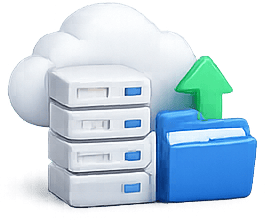
Bulk Data Migration
Large-volume data migrations between systems, databases, or cloud environments — with validation frameworks, rollback plans, and zero-downtime strategies for mission-critical data.
What Each Integration Service Actually Delivers
API Integration & Management
The standard for modern application connectivity. We design, build, and govern API integrations that let your systems communicate in real time — with full monitoring, error handling, and lifecycle management.
- RESTful, GraphQL, SOAP, and webhook integration
- API gateway implementation and management
- API versioning and backward-compatibility planning
- OAuth, JWT, and enterprise authentication patterns
- Real-time monitoring, alerting, and retry logic
Data Integration & ETL/ELT
When you need a single, trusted source of truth across multiple data systems. We build ETL and ELT pipelines that extract data from any source, transform it into a consistent format, and load it where it needs to go — with quality validation at every step.
- ETL and ELT pipeline design and implementation
- Data quality validation and error handling
- Deduplication and master data management
- Data lineage and audit trail documentation
- Scheduled batch and event-triggered pipeline options
Real-Time Data Synchronisation
For business decisions that can't wait for overnight batch runs. We architect event-driven integration pipelines using message queues and streaming frameworks that keep your systems synchronised the moment data changes.
- Event-driven architecture (Kafka, RabbitMQ, Azure Service Bus)
- Change Data Capture (CDC) for database synchronisation
- Stream processing and real-time transformation
- Sub-second data latency for operational dashboards
- Conflict resolution and idempotency handling
Legacy System Integration
Your legacy systems represent significant investment. We don't rip and replace — we build API wrappers, middleware layers, and adapter patterns that connect your older systems to modern applications without requiring a full replacement.
- API wrapper development for legacy systems
- Middleware and ESB integration patterns
- Screen-scraping and RPA bridges (where APIs unavailable)
- Gradual modernisation roadmap alongside integration
- Zero-downtime integration strategies for live systems
IoT & Device Integration
Industrial sensors, smart meters, SCADA systems, and edge devices generate enormous volumes of operational data. We build the integration infrastructure that gets that data into your analytics and operational platforms in real time — at any scale.
- MQTT, AMQP, and industrial protocol integration
- Edge computing and local processing architectures
- IoT hub implementation (Azure IoT, AWS IoT Core)
- High-frequency telemetry data pipeline management
- Device management, provisioning, and firmware integration
Cloud & Hybrid Integration
Most enterprises operate in a hybrid landscape — some systems on-premise, some in cloud. We design integration architectures that work across both, with clear data flows, security controls, and cost governance built in from the start.
- Hybrid cloud integration architecture design
- AWS, Azure, and GCP native integration services
- iPaaS implementation (MuleSoft, Boomi, Azure Logic Apps)
- Secure VPN and private connectivity for sensitive data
- Cloud-native API management and gateway configuration
From Fragmented Systems to a Unified Data Environment
Integration isn't about connecting two systems. It's about creating an organisational data fabric where every system contributes to a single, trusted, real-time picture of your business.
Rivob's integration engagements follow a governance-first approach — meaning we don't just wire systems together. We design the data ownership model, the access controls, the quality standards, and the monitoring framework that keeps the integration healthy long after deployment.
Before → After Integration
Integration Use Cases by Sector
Domain knowledge means we arrive knowing your integration challenges — not learning them on your budget.
Utilities & Energy
- Smart meter data integration to billing systems
- SCADA-to-ERP asset performance data flows
- IoT sensor integration for grid monitoring
- Regulatory reporting data pipeline automation
Mining & Resources
- Equipment telemetry integration to maintenance systems
- ERP-to-procurement portal B2B integration
- Production data integration to analytics dashboards
- Safety system integration with incident reporting
Financial Services
- Core banking-to-CRM real-time customer data sync
- Payment gateway and transaction system integration
- Regulatory reporting pipeline automation
- Fraud detection API integration with transaction streams
Public Sector
- Multi-department data integration for unified reporting
- Citizen service system API connections
- Financial management system integration
- Revenue collection system data synchronisation
Healthcare
- Clinical system integration for unified patient records
- Laboratory and pharmacy system data flows
- Billing and claims processing integration
- POPIA-compliant patient data architecture
Retail & E-Commerce
- E-commerce platform to ERP inventory sync
- Payment gateway and fulfilment integration
- CRM and loyalty programme data flows
- Supplier EDI and B2B procurement integration
What Integration Capabilities Actually Mean for Your Business
Systems that collaborate, not compete
Decisions based on now, not yesterday
Protect your existing investment
Physical operations, digitally visible
One data environment across every platform
Integrated and audit-ready by design
How Rivob Delivers Integration
Without Disruption
A governance-first approach that protects your live systems while building connectivity that scales.
Discovery & Architecture Audit
We benchmark your current maturity, map your data environment, and identify your highest-ROI opportunities. 2–3 weeks.
Integration Design
We select the right pattern (API, ETL, event-driven, middleware) for each integration, design the data model, and define quality and governance standards.
Secure Build & Test
Integration is built in a staging environment with end-to-end testing, security validation, POPIA compliance checks, and performance load testing before any production deployment.
Controlled Deployment
Phased rollout with rollback plans, zero-downtime strategies, and parallel-run validation for mission-critical integrations — minimising operational risk.
Monitor, Support & Evolve
Post-deployment monitoring, proactive alerting, and continuous optimisation — with full knowledge transfer so your team owns and understands every integration.
Integration Outcomes Delivered Across South African Enterprises
Results representative of client engagements. Specific metrics available on request and under NDA.
Three Integration Engagement Tiers — Built Around
Where You Are Now
Whether you're connecting two systems for the first time or unifying an enterprise-wide data fabric across 20 platforms, Rivob has a delivery model that fits.
Essential
For growing businesses establishing their first structured integrations and eliminating the most costly manual data transfers.
- ✓ Up to 3 system integrations
- ✓ Basic ETL pipeline design and deployment
- ✓ API integration for cloud-based applications
- ✓ Data validation and error handling
- ✓ Standard monitoring and alerting setup
- ✓ Documentation and knowledge transfer
Professional
For mid-size enterprises scaling integration across multiple departments and connecting modern and legacy systems.
- ✓ Up to 10 system integrations
- ✓ Advanced ETL/ELT and real-time pipeline options
- ✓ API gateway design and management
- ✓ Legacy system middleware or API wrapper development
- ✓ Cloud/hybrid integration architecture
- ✓ Enhanced security and POPIA compliance layer
- ✓ SLA-backed support and monitoring
Enterprise
For large organisations requiring a fully governed enterprise data fabric across complex, multi-platform environments.
- ✓ Unlimited integration scope
- ✓ Enterprise-grade data fabric architecture
- ✓ iPaaS platform implementation and governance
- ✓ IoT and SCADA integration at industrial scale
- ✓ B2B and supply chain integration programme
- ✓ Master data management and data governance
- ✓ 24/7 integration monitoring and incident response
- ✓ Embedded integration team with knowledge transfer
What Makes Our Integration Practice
Different From Generic IT Firms
Sector-Specific Integration Knowledge
We've integrated SAP with SCADA systems for utilities, connected procurement portals for mining operations, and built POPIA-compliant data flows for financial services — not generic integration templates.
 POPIA & Security by Design
Every integration we architect includes access controls, data classification, encryption, and audit trails from the first line of design — not retroactively bolted on after a compliance review.
 Governance-First Methodology
We design data ownership models, quality standards, and monitoring frameworks alongside the integration itself — so the environment stays healthy and auditable long after deployment.
 Non-Disruptive Deployment
Phased rollouts, parallel-run validation, and rollback planning for every integration involving live systems — minimising operational risk during the most sensitive phase of any integration project.
Questions Enterprise Buyers Ask About System Integration
Ready to Stop Managing Data Silos
and Start Managing Your Business?
Book a free 45-minute integration assessment. We'll map your current system landscape, identify your highest-cost disconnections, and give you a prioritised integration roadmap — regardless of whether we end up working together.
124 Richards Drive, Midrand, Johannesburg | info@rivob.co.za